
St. Paul
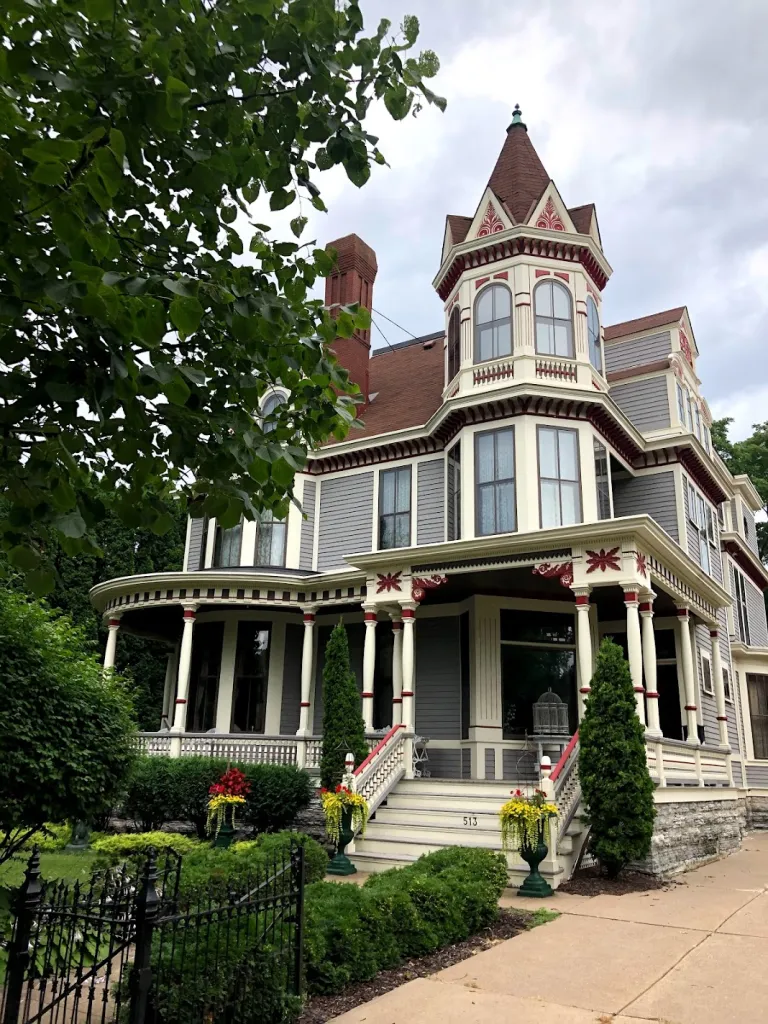
St. Paul has a distinct identity from Minneapolis: quieter, more residential, with deeper historic roots and a strong sense of place. Summit Avenue's Gilded Age mansions, the Cathedral of St. Paul, and the historic Rice Park district give the city a different architectural character. It is more affordable than Minneapolis in many areas while still offering urban convenience.
Who It's Best For
Families, history lovers, those seeking urban calm, buyers wanting more space for their budget.
Housing
Historic homes, Victorians, Tudors, Craftsman bungalows. More established and traditional than Minneapolis.
Market Positioning
Generally more affordable than Minneapolis. Strong value for historic homes and established neighborhoods.
Walkability & Transportation
Moderate; depends on neighborhood. Summit Hill, Cathedral Hill, and Grand Avenue are very walkable.
Water, Parks & Nature
Como Park, Mississippi River, Summit Avenue corridor, Hidden Falls.
Arts, Food & Culture
Cathedral of St. Paul, Science Museum, Ordway Center, Grand Avenue shopping and dining, historic Rice Park.
Schools & Education
Strong public options; excellent private schools.
Healthcare Access
Regions Hospital, HealthPartners, Children's Hospital St. Paul.
Climate & Property Considerations
Similar to Minneapolis; slightly cooler in river valley areas.
What Residents Love
"It feels like a real place with a real history, not a city that was built yesterday."
Honest Tradeoffs
Fewer high-end condos and lofts than Minneapolis. Nightlife is quieter.
Related Communities

Minneapolis
Minnesota's largest city — a cultural hub with world-class arts, major healthcare systems, an extensive park system, and the Chain of Lakes.
Stillwater
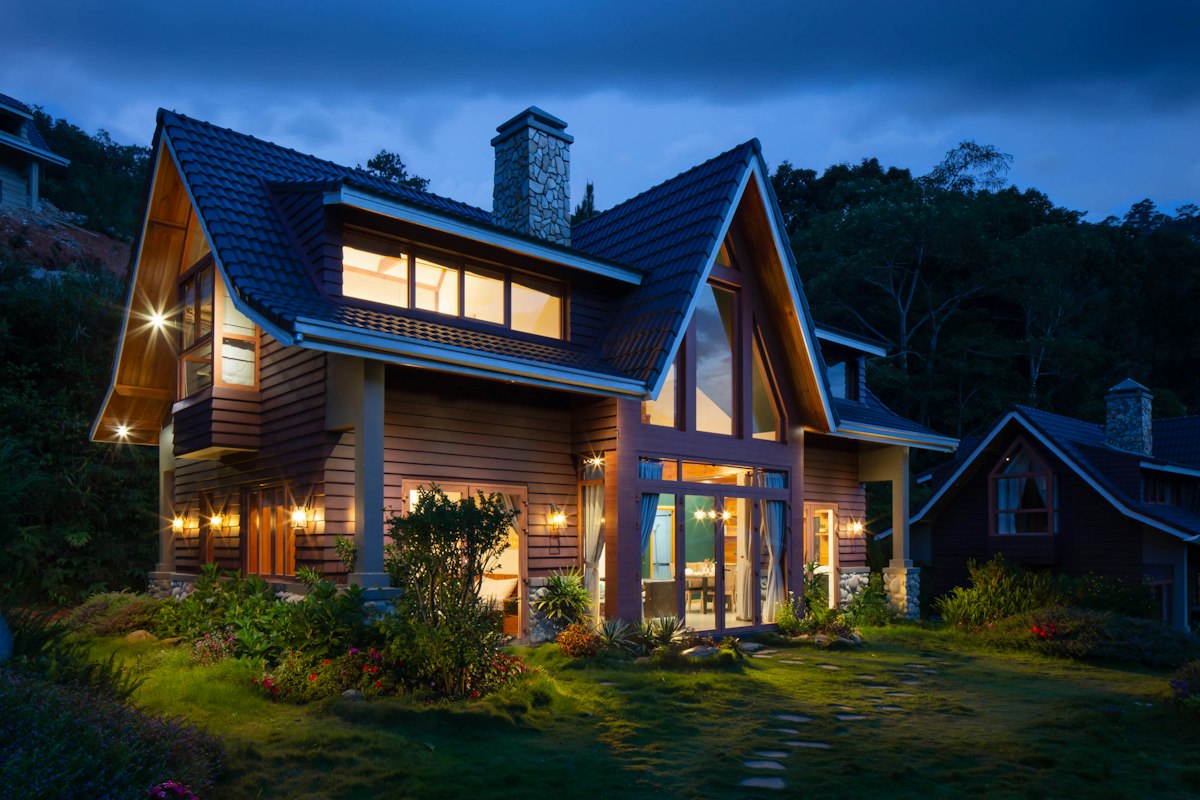
Minnesota's birthplace — a historic river town with antique shops, scenic St. Croix views, and an artistic community 30 minutes from the Twin Cities.
Edina
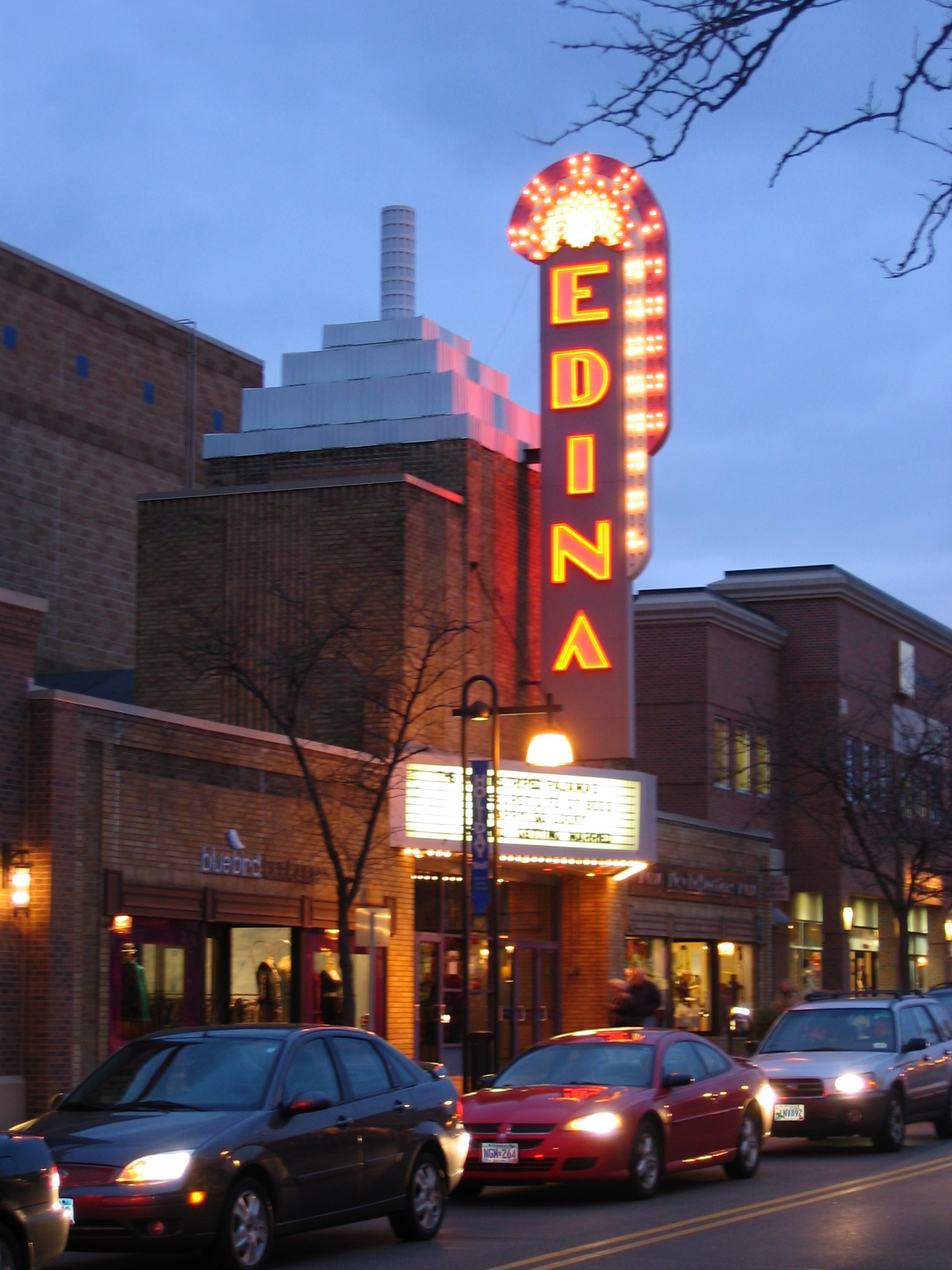
Affluent first-ring suburb with excellent schools, mature trees, the walkable 50th & France district, and a blend of classic and contemporary homes.